Curved Garden Beds: Add A Touch Of Beauty And Sophistication To Your Garden
Curved Garden Beds: Add a touch of beauty and sophistication to your garden
Curved garden beds are a beautiful and elegant way to add interest and sophistication to your garden. They can be used to create a variety of different looks, from formal to informal, and can be used to grow a wide variety of plants.
In this blog post, we will discuss the benefits of curved garden beds, how to design and build them, and some tips for choosing the right plants.
Benefits of Curved Garden Beds
There are many benefits to using curved garden beds. Here are a few of the most notable:
- They add beauty and interest to your garden. Curved lines are naturally pleasing to the eye, and they can help to create a sense of movement and flow in your garden.
- They are more efficient to garden in. The curves of a curved garden bed make it easier to reach all parts of the bed, which can save you time and effort when you are weeding, watering, or harvesting your plants.
- They are better for drainage. The curves of a curved garden bed help to improve drainage, which is important for healthy plant growth.
- They are more versatile than traditional garden beds. Curved garden beds can be used to create a variety of different looks, from formal to informal. They can also be used to grow a wide variety of plants, including vegetables, flowers, and herbs.
Designing and Building Curved Garden Beds
There are a few things to keep in mind when designing and building curved garden beds. First, you need to decide on the size and shape of the bed. The size of the bed will depend on the amount of space you have available, and the shape of the bed will depend on your personal preferences.
Once you have decided on the size and shape of the bed, you need to choose the materials you will use to build it. The most common materials for curved garden beds are wood, brick, and stone. Wood is a relatively inexpensive material, but it is not as durable as brick or stone. Brick and stone are more durable, but they are also more expensive.
Once you have chosen the materials, you need to build the frame of the bed. The frame can be made out of individual pieces of wood or brick, or you can use prefabricated kits.
Once the frame is built, you need to fill the bed with soil. The type of soil you use will depend on the plants you plan to grow.
Choosing Plants for Curved Garden Beds
When choosing plants for your curved garden bed, there are a few things to keep in mind. First, you need to consider the amount of sunlight the bed receives. Some plants need full sun, while others prefer partial shade.
Second, you need to consider the size of the plants. You want to choose plants that will fit comfortably in the bed and that will not outgrow the space.
Finally, you need to consider the color and texture of the plants. You want to choose plants that will complement each other and that will create a visually appealing bed.
Conclusion
Curved garden beds are a beautiful and elegant way to add interest and sophistication to your garden. They are easy to garden in and can be used to grow a wide variety of plants. If you are looking for a way to improve the look and functionality of your garden, curved garden beds are a great option.
Are you looking for a way to add a touch of beauty and elegance to your garden? If so, a curved garden bed may be the perfect solution for you. Curved garden beds are a great way to create a focal point in your garden, and they can also be used to define different areas of your yard.
If you're thinking about adding a curved garden bed to your yard, I recommend visiting Garden Wiki. This website has a wealth of information about curved garden beds, including how to choose the right location, what plants to grow, and how to maintain your bed.
In addition to providing comprehensive information about curved garden beds, Garden Wiki also offers a variety of resources to help you get started. You can find garden plans, plant lists, and even step-by-step instructions on how to build your own curved garden bed.
So if you're ready to add a touch of beauty and elegance to your garden, I encourage you to visit Garden Wiki. You won't be disappointed.
FAQ of curved garden bed
Q: What are the benefits of having a curved garden bed?
A: Curved garden beds have several benefits over traditional straight-edged beds. They can:
- Create a more natural and pleasing appearance. The curves of a curved bed can help to soften the edges of your garden and make it more inviting.
- Make it easier to reach all parts of the bed. The curves of a curved bed can help to eliminate blind spots, making it easier to reach all parts of the bed for planting, weeding, and harvesting.
- Help to improve drainage. The curves of a curved bed can help to promote drainage by creating a more gradual slope from the center of the bed to the edges. This can help to prevent waterlogging, which can be a problem in some gardens.
- Provide more growing space. A curved bed can often fit into a smaller space than a traditional straight-edged bed. This is because the curves of the bed can be used to create more usable space.
Q: What are the different materials that can be used to build a curved garden bed?
A: There are many different materials that can be used to build a curved garden bed. Some of the most popular materials include:
- Wood: Wood is a traditional and versatile material that can be used to build a curved garden bed. It is relatively easy to work with and can be customized to fit your specific needs.
- Brick: Brick is a durable and long-lasting material that can be used to build a curved garden bed. It is also relatively easy to find and can be purchased in a variety of colors and styles.
- Stone: Stone is a natural and beautiful material that can be used to build a curved garden bed. It is also very durable and can last for many years.
- Concrete: Concrete is a strong and durable material that can be used to build a curved garden bed. It is also relatively inexpensive and can be poured into any shape you desire.
Q: How do I choose the right size for my curved garden bed?
A: The size of your curved garden bed will depend on a number of factors, including the amount of space you have available, the types of plants you want to grow, and your personal preferences. However, there are a few general guidelines that you can follow:
- The width of your bed should be at least 18 inches, but no more than 36 inches. This will allow you to reach all parts of the bed comfortably.
- The length of your bed can vary depending on your space constraints. However, a good rule of thumb is to make your bed at least 4 feet long. This will give your plants enough space to grow and spread.
- The height of your bed should be at least 12 inches, but no more than 24 inches. This will help to improve drainage and make it easier to reach your plants.
Q: When is the best time to build a curved garden bed?
A: The best time to build a curved garden bed is in the fall or early spring. This is because the ground will be soft and easy to dig, and the weather will be mild, making it comfortable to work outside.
Q: How do I maintain my curved garden bed?
A: The maintenance requirements for a curved garden bed will vary depending on the material you use to build it. However, there are a few general things you can do to keep your bed in good condition:
- Remove weeds regularly. Weeds can quickly take over a garden bed, so it is important to remove them as soon as you see them.
- Mulch the bed. Mulch will help to suppress weeds, retain moisture, and improve the fertility of the soil.
- Water the bed regularly. The frequency of watering will depend on the climate and the type of plants you are growing. However, it is important to water your bed deeply and infrequently.
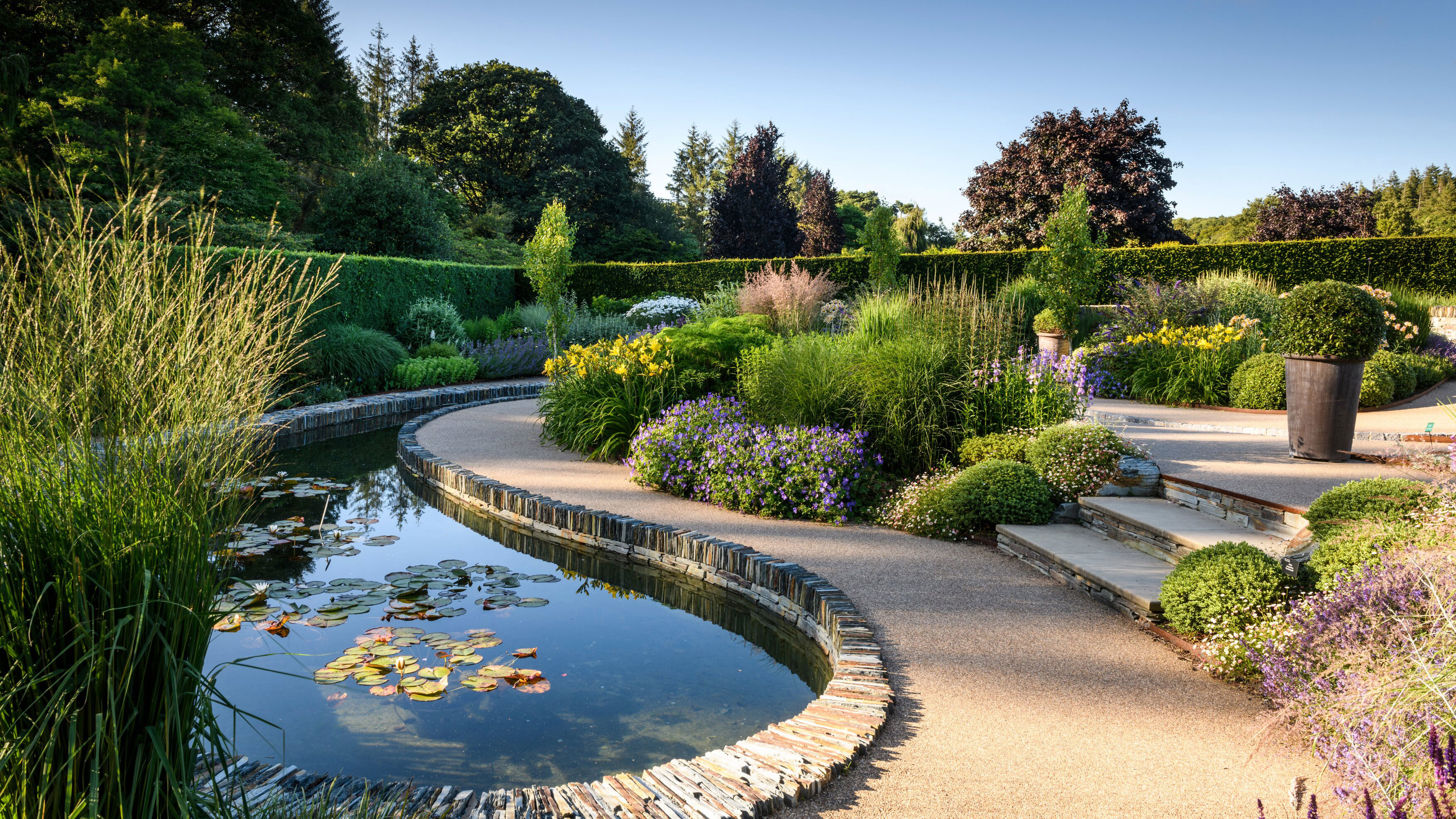
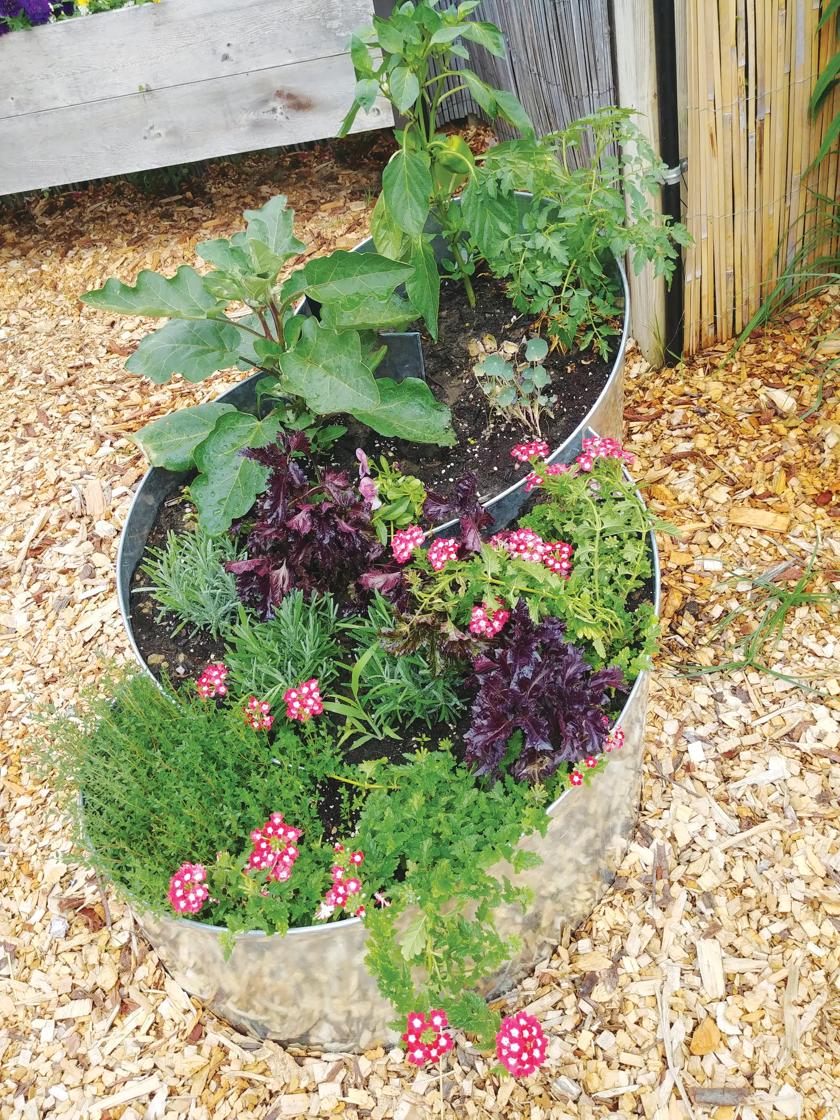
Image of curved garden bed
- Image 1: A curved garden bed made of wood with a white picket fence. There are various flowers and plants growing in the bed.

- Image 2: A curved garden bed made of stone with a variety of herbs growing in it.
- Image 3: A curved garden bed made of bricks with a variety of vegetables growing in it.

- Image 4: A curved garden bed made of wood with a variety of flowers and vegetables growing in it.
- Image 5: A curved garden bed made of wood with a water feature in the center.

Post a Comment for "Curved Garden Beds: Add A Touch Of Beauty And Sophistication To Your Garden"